An aerial photo of Tower Hill Botanic Garden shows how the Garden is designed along a North-South axis on the spine of the hill. See more aerial photos.
Welcome to Tower Hill Botanic Garden, the headquarters of the Worcester County Horticultural Society [WCHS]. The third oldest active horticultural society in the U.S., WCHS was incorporated in 1842 as a non-profit "educational organization for the purpose of advancing the science and encouraging and improving the practice of horticulture." For nearly 150 years this was accomplished through a busy schedule of flower shows and educational programs based in downtown Worcester. The Society purchased Tower Hill Farm in 1986 with the belief that the Society could best fulfill its goals by developing a garden open to the public.
Two years of collaboration with Environmental Planning and Design of Pittsburgh, Pennsylvania, produced a 50-year Master Plan for the Tower Hill Botanic Garden (seen at left). The plan is also on display in the Stoddard Education & Visitors Center. The plan provides a 50-year vision for the property, showing what Tower Hill Botanic Garden might look like in 2038, with both current and future features (designated in light green on the plan).
Click one of the existing garden areas listed below to see a description.
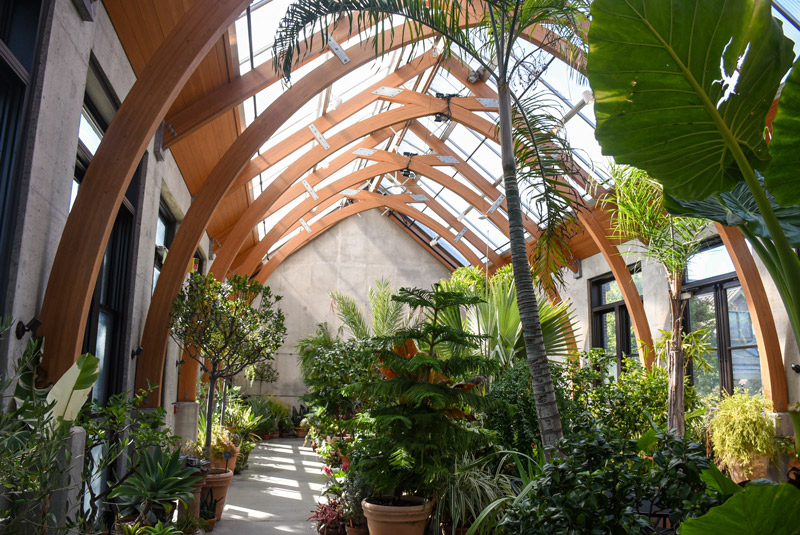
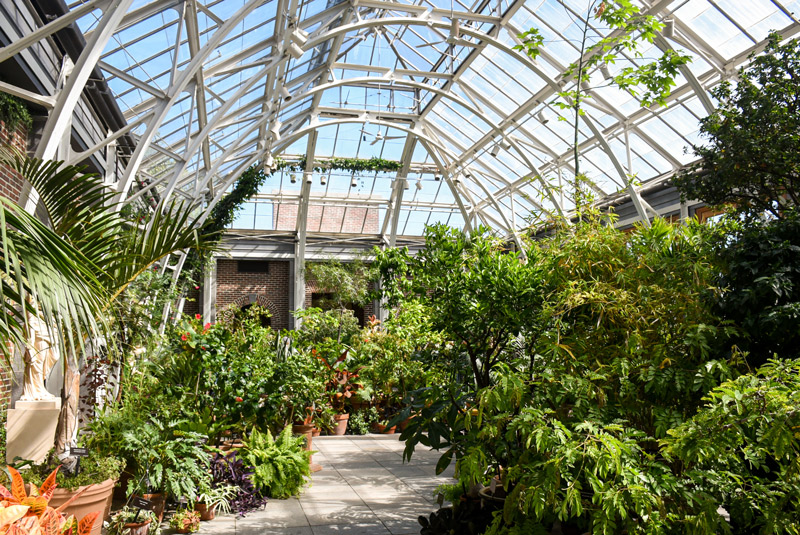
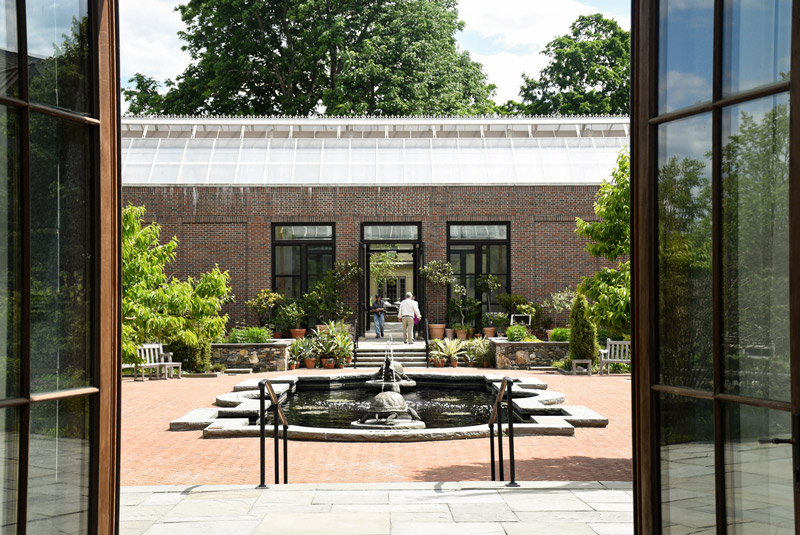
The Limonaia, or Lemon House, creates the southern border of the Winter Garden. The cathedral-like interior of the Limonaia expands the display of non-hardy plants, augmenting those in the existing Orangerie. The Limonaia will feature the Garden's collection of camellias and citrus plants as well as many other varieties.

Shielded from wind and extreme temperatures, the Winter Garden is a showcase for plants that are at their best during the winter months, featuring exquisite bark, structures, berries or evergreen needles. An intricate water feature in the center of the courtyard called "Domitian's Pool", named for a Roman Emperor, is slightly warmed to function in winter with spouting, twin, bronze turtle fountains.

The E. Stanley and Alice M. Wright Entry Garden and Thomas Smith-W. Robert Mill Entry Court are your portal to the Tower Hill Experience. Here, you'll find information about the Worcester County Horticultural Society's rich past and exciting future plans. Plans representative of Tower Hill's diversity are attractively displayed. Interpretive signs explain the types of collections present and the planting philosophy.

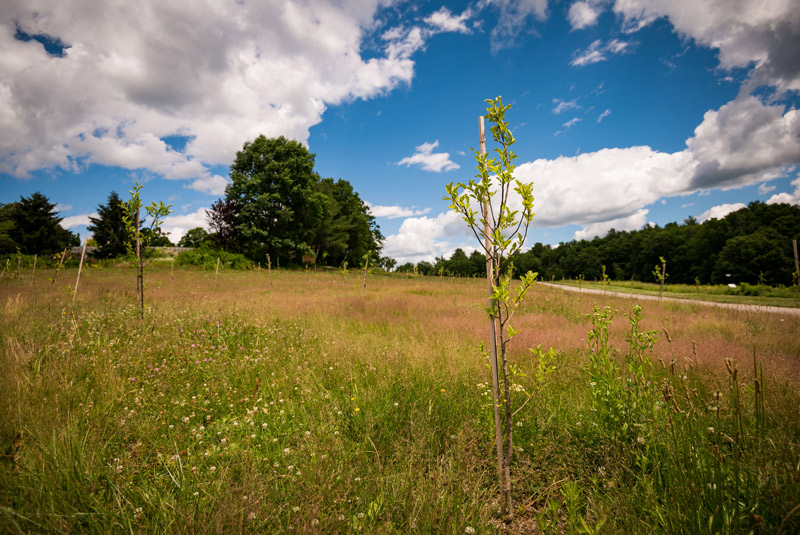
Flanking the entry drive, the Frank L. Harrington Sr. Orchard displays the Davenport Collection of heirloom apples: 238 trees and 119 pre-20th century varieties. Apple tastings in the fall at Tower Hill's "Shades of Autumn" harvest celebration offer visitors an opportunity to sample these rare and unusual varieties.

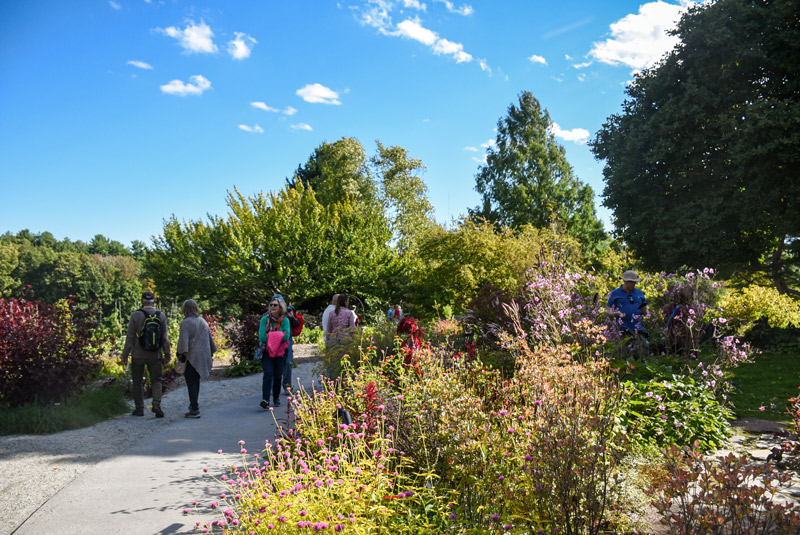
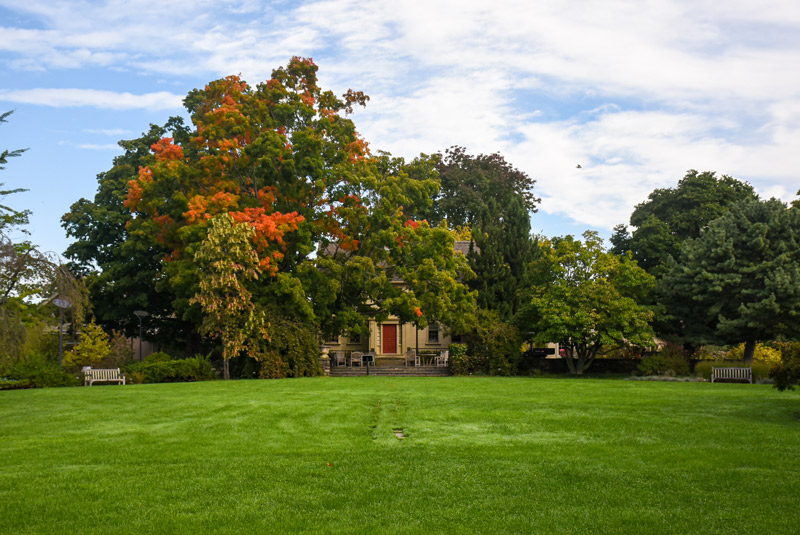
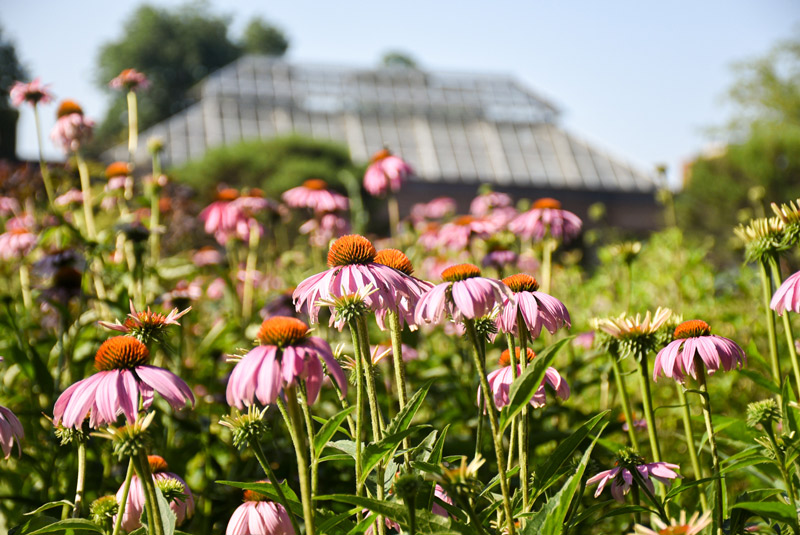
The Lawn Garden was the first part of the original Master Plan to be implemented. More than 350 species of trees and shrubs are represented, under-planted with thousands of spring bulbs and summer-blooming perenials. Fall brings dramatic colors of changing leaves, while the winter season allows the visitor to see exquisite examples of bark, berries and woody textures.


The Secret Garden is so named because it is hidden from view when entering the Lawn Garden. Located at the south end of the Lawn Garden, the Secret Garden features perennials chosen for their fragrance and delicate texture. From the softly elegant Lady's Mantle (Alchemilla mollis), to the intoxicating perfume of honeysuckle (Lonicera x purpussii), this garden provides delight for all your senses.

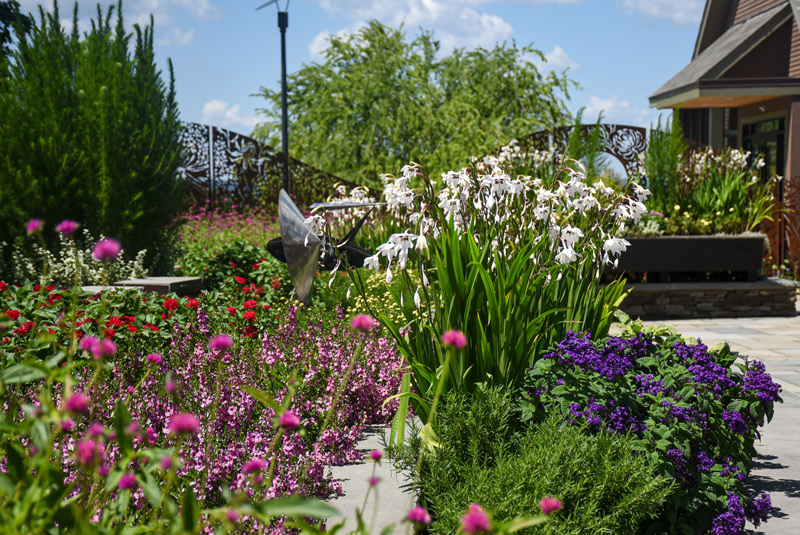
Designed and planted before the development for the Master Plan, the Cottage Garden provides an intimate gaden experience adjacent to the 18th century Farmhouse. It contains a pleasing collection of popular, unusual perennials and artfully-placed, colorful annuals.

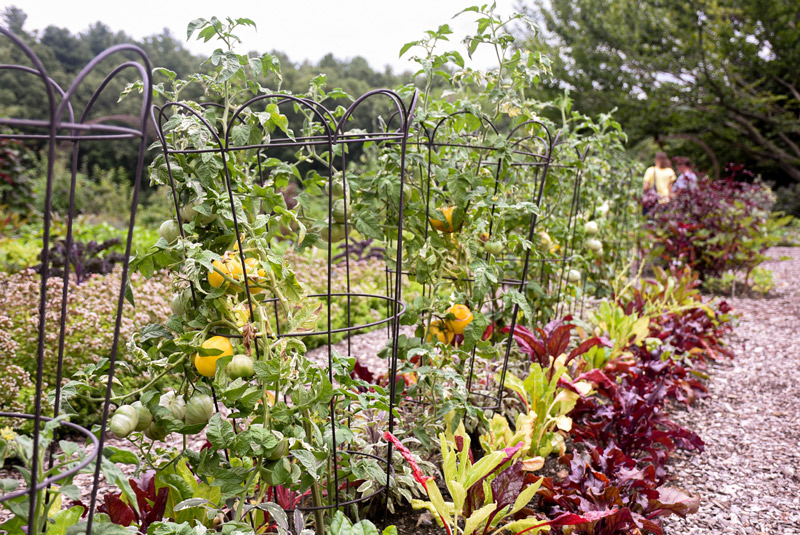
Discover an imaginative collection of unusual vegetables and annuals, planted with a different theme each year in a striking configuration. Tower Hill proves that a vegetable garden can be both beautiful and functional. Find unusual selections and relish the incredible diversity of "economic horticulture" on display.

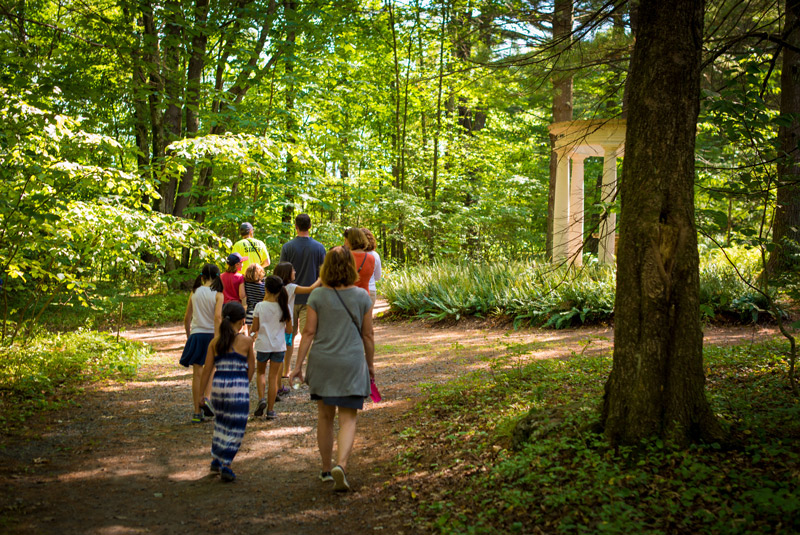
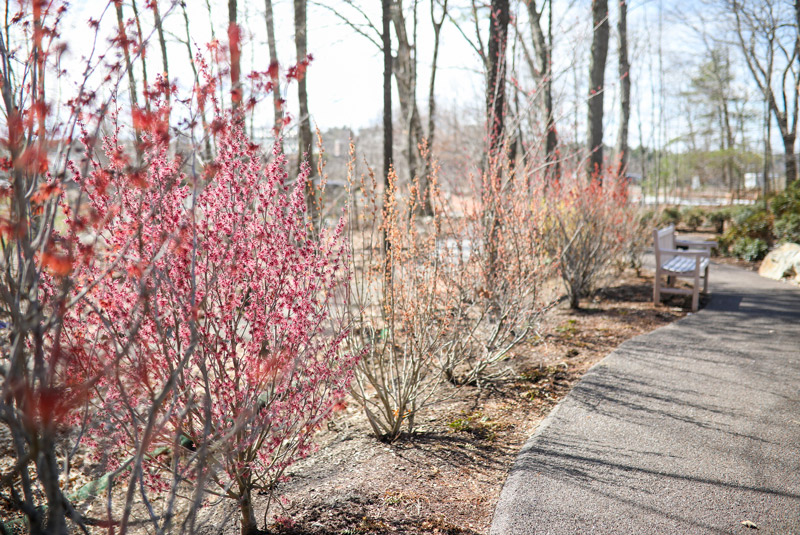
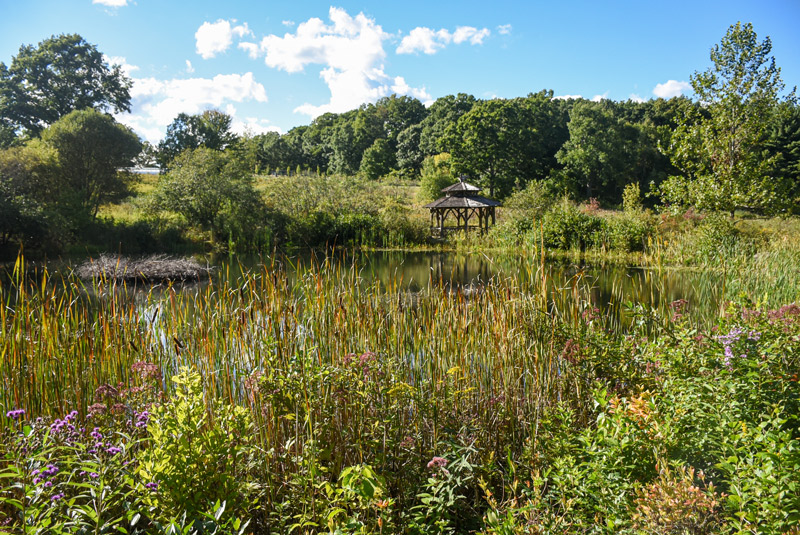
The half-acre Wildlife Refuge Pond, along with 3 miles of woodland trails, provide ample opportunity for visitors to observe and contemplate the natural world. Both indigenous and exotic plant species are incorporated into this haven for wildlife, with plenty of benches to allow visitors to rest along the way. In winter, snow shoers and cross-coutnry skiers are welcome to use the marked trails.

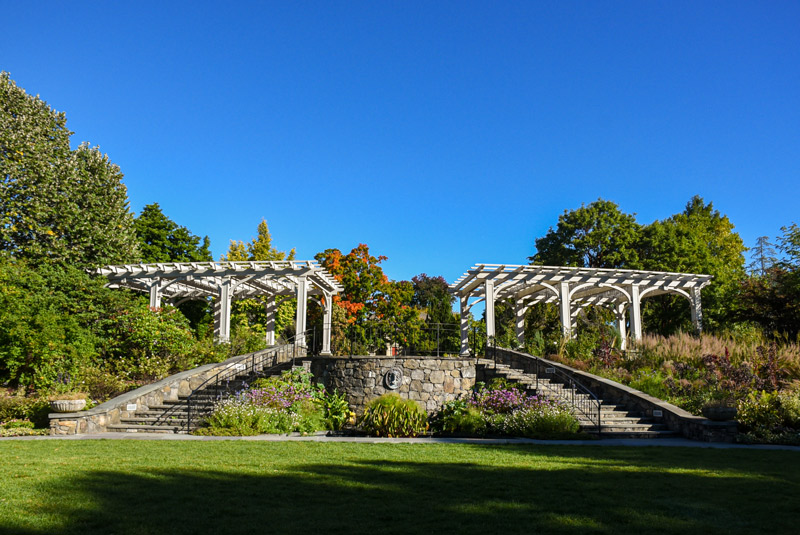
The Systematic Garden is a one-of-a-kind educational experience where you'll discover plants arranged "systematically" or according to our current scientific understanding of their evolutionary relationships. Designed in an Italianate style, this garden presents 26 distinct plant families, making it a vitual encyclopedia of the Plant Kingdom.

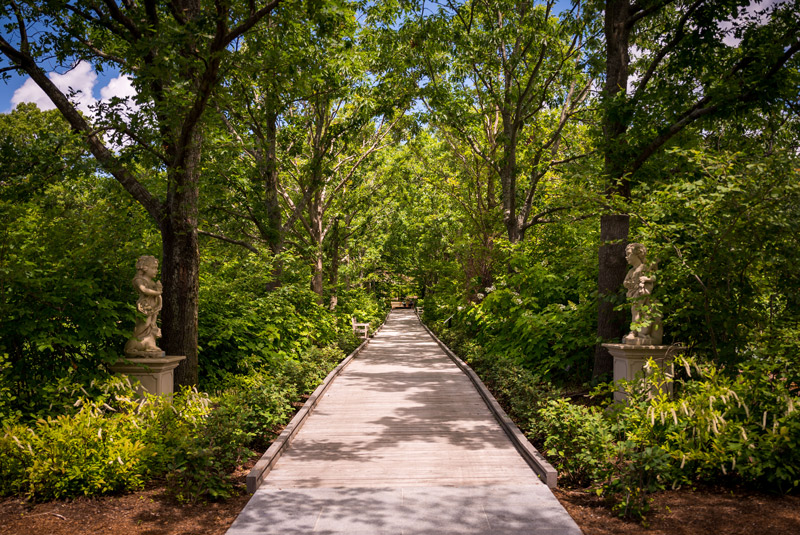
This former 5-acre field is now a secondary woodland of mixed hardwood trees. Landscape parks of this type were popular during the 18th and 19th centuries, reflecting the romantic ideal of the Greco-Roman epoch. Classic revival style architectural features include the whimsical Folly, Pope Urn and the Temple of Peace.
The Temple of Peace is a classical, pillared structure commemorating world historic events and honoring men and women who have passed in service to their country. Small candlelight ceremonies are held on significant dates for those who would like to reflect and meditate.


The Moss Steps are made of the sedimentary rock Castalia stone, "harvested" from farm fields that were once part of Lake Erie in Sandusky County, Ohio. A moisture-retaining calcareous (limestone -based) stone, it is the perfect substrate for mosses. The area framing the steps has been planted with Mountain Laurel (Kalmia latifolia), native wildflowers and ferns.

The Orangerie, an 18th century style greenhouse, provides a 4,000 square foot environment to outstanding plants for winter display. A gallery with a northern exposure features ferns. A potting shed, growing house and pit house support this structure as a four-season growing space. Tower Hill Botanic Garden has become a year-round horticultural center for the education and enjoyment of the visitor.


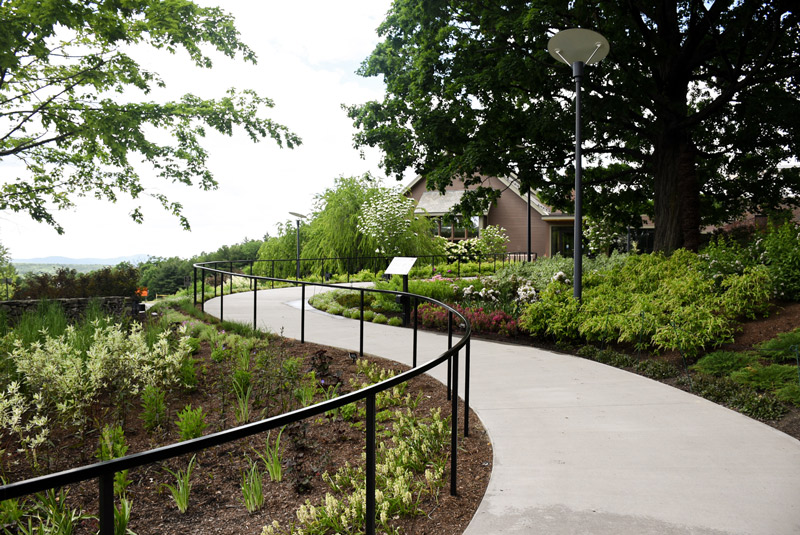
A dramatic view of Mount Wachusett (elevation 2006 feet) and the Wachusett Reservoir can be seen from the Belvedere, a strategically located overlook partially shielding visitors from the elements.

Feeding stations, shelters and plants attractive to birds, bats and butterflies are featured in the Wildlife Garden. The Human Bird House affords wildlife watchers protection from mosquitoes and displays and exhibit of birds you are most likely to obsefve in central Massachusetts.
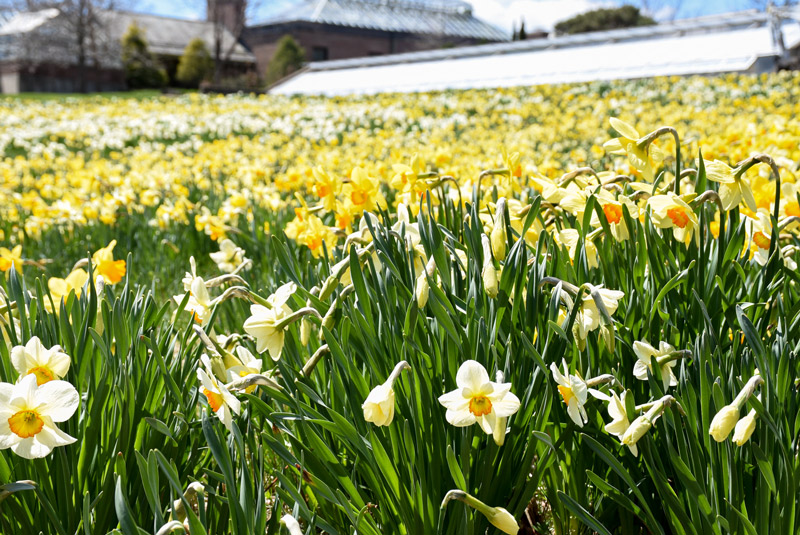
Tower Hill has a signature field of thousands of daffodils, in bloom for a few weeks in mid-April. Make it point to come out and visit while this spectacular display is at its springtime peak!